Consultation Before Property Alterations
The licence holder must consult with the Council before making any significant changes to the property. This includes alterations to the property’s layout, amenities, fire safety arrangements, or the number of occupants.Notification of Important Changes
The Council must be informed promptly of any significant circumstances or changes affecting the licence holder, property manager, or licensed property, including:
- Relevant unspent criminal convictions involving the licence holder or property manager.
- Any court or tribunal decision concerning unlawful discrimination.
- Civil or criminal legal action relating to housing, public health, environmental health, or landlord and tenant legislation.
- Previous ownership of properties where a licence was refused or revoked.
- The property remaining unoccupied for more than three months.
- Any repossession or foreclosure action involving the property.
- Successful claims made against the licence holder.
- A change of managing agent or the appointment of a new property manager.
- Major building works, property conversions, refurbishment projects, or serious emergencies.
Emergency Management Information
Tenants must be provided with clear emergency management and contact arrangements for periods when the licence holder or manager is unavailable. These details should be clearly displayed within the property’s communal areas.
Appointment of an HMO Manager
Where licence conditions are not being properly followed, the licence holder may be required to appoint a suitable HMO manager. The appointed manager must sign a declaration confirming their commitment to complying with all licence requirements. A copy of this declaration must be provided to the Council within 14 days of the appointment or change.
Council Inspection and Property Access
The licence holder must allow authorised Council officers reasonable and unobstructed access to the property for inspection purposes at appropriate times.
Management Training
If ongoing management issues or repeated deficiencies are identified within the HMO, the Council may require the licence holder and/or property manager to complete an approved or accredited property management training course.
Documents to Be Displayed
The following information and documents must be clearly displayed in the property’s communal areas:
- A copy of the current property licence.
- A valid Gas Safety Certificate.
- The name, address, and telephone number of the licence holder and/or property manager.
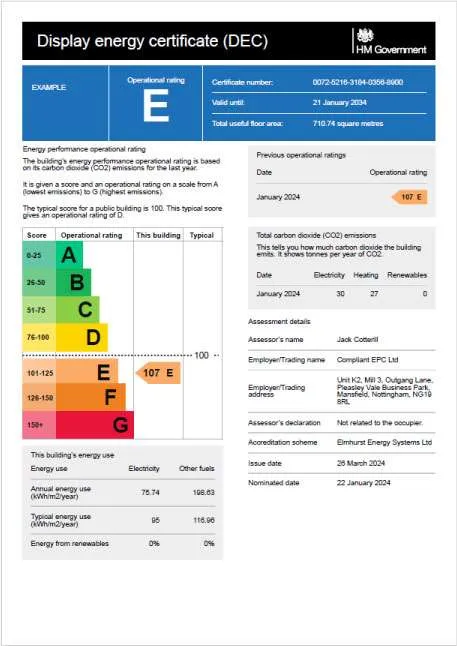
- The relevant Energy Performance Certificate (EPC) for new tenancies.
Occupancy Requirements
The licence holder must ensure that the number of people living in the property remains within the maximum occupancy stated on the licence. The approved number of occupants will depend on the available facilities, property layout, and room dimensions assessed by the Council during the licensing process.
Minimum Accommodation Standards
Rooms within the HMO must meet the required minimum floor space standards. A single-person room should provide at least 6.51 square metres, while a room occupied by two people should provide a minimum of 10.22 square metres, although specific requirements may differ between boroughs. En-suite facilities and areas where the ceiling height is below 1.5 metres are not included when calculating usable floor space.

Resolving Occupancy Breaches
The licence holder is responsible for taking appropriate action to correct any breach of the permitted occupancy conditions. Where a breach is identified and formally notified, the local housing authority may allow a period of up to 18 months for the issue to be resolved.
Rooms Used for Sleeping
Visitors staying with tenants are not normally included when calculating the number of people using sleeping accommodation. Any room that is regularly used as a sleeping space will be considered sleeping accommodation, even if the room is also used for other purposes.
Charitable Accommodation Exemptions
Certain night shelters and temporary accommodation services may be exempt from these requirements where they operate under the provisions of the Charities Act 2011 and provide accommodation for individuals affected by substance misuse or mental health disorders.
Written Occupancy Agreement
The licence holder must give every HMO tenant a written agreement clearly explaining the conditions of their tenancy or licence. If requested by the Council, a copy of this agreement must be supplied within 14 days.
Tenant Referencing and Verification
Before a new tenant moves into the property, appropriate reference checks should be completed. These may include reviewing the applicant’s rental history, credit background, and legal right to rent. Copies of relevant reference information must be provided to the Council within 14 days when requested.
Tenancy Deposit Protection
Any deposit received under an assured shorthold tenancy must be secured through an approved statutory tenancy deposit protection scheme. Tenants must also receive the required information regarding how and where their deposit is protected.
Complaints and Anti-Social Behaviour Policy
At the beginning of the tenancy, tenants must receive a written procedure explaining how complaints and anti-social behaviour concerns will be managed. The licence holder should carry out property inspections at least once every quarter, monitor compliance with tenancy conditions, and clearly explain that serious or repeated anti-social behaviour could lead to eviction.
Measures to Prevent Anti-Social Behaviour
Reasonable preventative measures should be taken to minimise anti-social behaviour within the property. Occupants may be asked to disclose relevant unspent criminal convictions, and reference requests from other licence holders should be answered within 21 days. The property should be inspected at least quarterly, and tenants must understand the potential consequences of unacceptable behaviour.
Responding to Anti-Social Behaviour
Where allegations of anti-social behaviour are received, the tenant concerned should be notified in writing within 14 days. The reported behaviour should then be monitored for 28 days. If the issue continues, a formal warning should be issued within 7 days. Where the behaviour persists for more than 14 days following the warning, appropriate legal action, including eviction proceedings, may be considered.
Records and Council Reporting
All correspondence, notes, and other records concerning anti-social behaviour should be retained for at least three years. If requested, relevant documentation must be supplied to the Council within 28 days.
Reporting Criminal Activity
If suspected anti-social behaviour may involve criminal conduct, the licence holder or property manager should contact the relevant authorities and cooperate with any necessary investigation.
Meaning of Anti-Social Behaviour
Anti-social behaviour includes conduct by a tenant or their visitors that causes, or is likely to cause, nuisance, disturbance, or annoyance to other people. It also includes using the property or allowing it to be used for unlawful or criminal activities.
Gas Safety Requirements
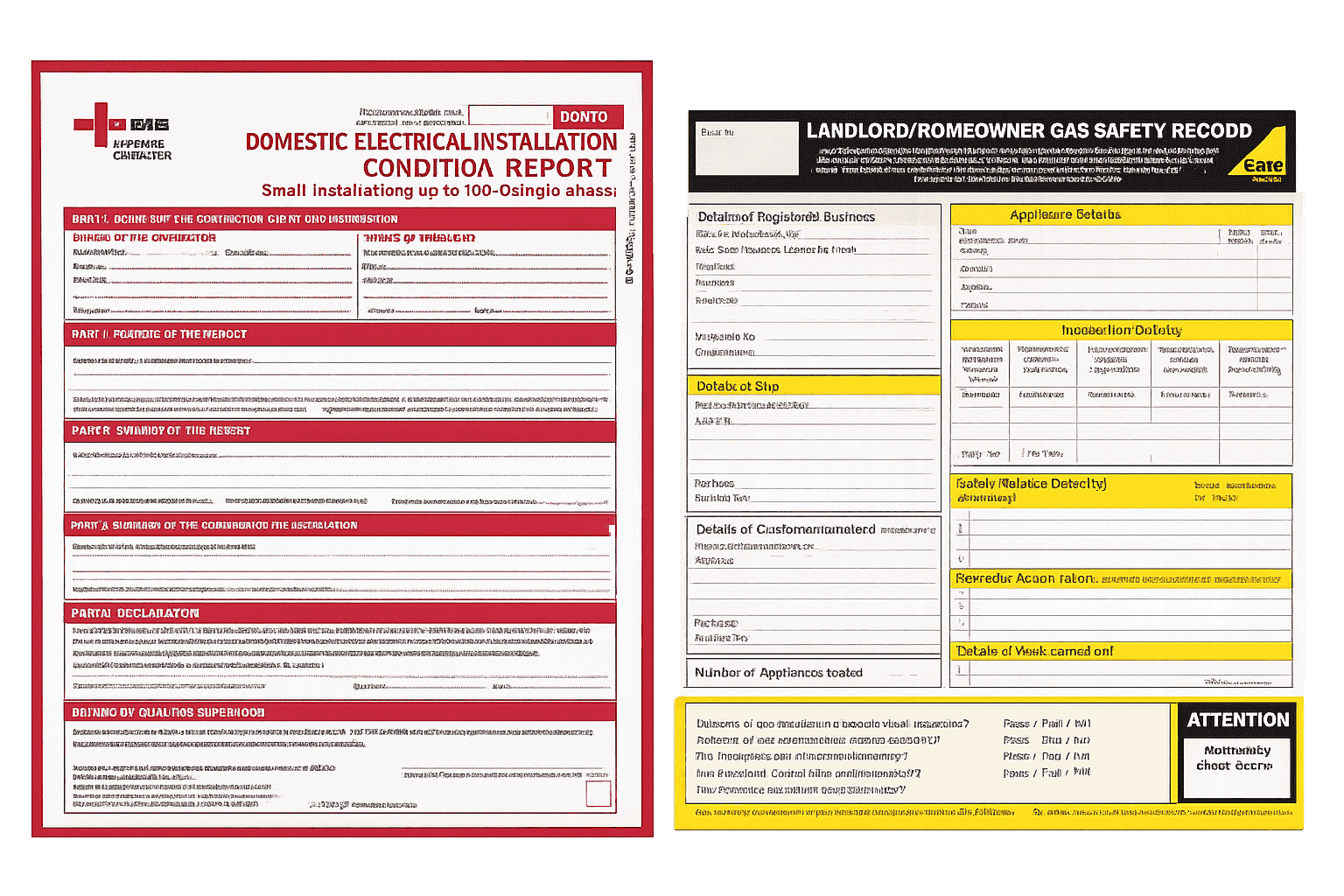
The property must undergo a gas safety inspection by a registered Gas Safe engineer every year. A valid gas safety certificate issued within the previous 12 months should be submitted annually to the local housing authority. If a potential gas safety concern is identified, an updated certificate must be supplied to the Council within 14 days of notification.
Electrical Equipment Safety
The licence holder is responsible for ensuring that all electrical appliances provided with the property are properly maintained, safe to use, and kept in good working condition. Electrical inspection records and Portable Appliance Testing (PAT) reports must be made available to the Council within 14 days when requested.
Furniture and Furnishings Safety
All furniture and furnishings supplied within the HMO must meet the requirements of the Furniture and Furnishings (Fire) (Safety) Regulations 1988. Where requested, a declaration confirming compliance with the relevant furniture safety standards must be provided to the local authority within 14 days.
Heating Provision
A suitable fixed heating system must be available throughout the property. The system should include adjustable temperature controls and be capable of maintaining a minimum temperature of 21°C in habitable rooms.
Property Security and Common Areas
All property entrances, locks, and latches must be maintained in secure and effective working condition. The main entrance door should be fitted with an appropriate five-lever mortice lock. Where a burglary alarm is installed, occupants must receive written instructions regarding changes to the alarm code.
If former tenants fail to return property keys, the relevant locks should be changed before new occupants move in. Shared areas must remain clean, clear of obstructions, and must not be used as sleeping accommodation. Appropriate no-smoking signs should also be clearly displayed.
External Property Maintenance
The exterior of the property must be kept in a reasonable condition and state of repair. This includes roofs, external walls, drainage systems, gardens, fences, pathways, and any associated outbuildings. External structures or outbuildings must not be used as sleeping accommodation.
Waste Storage and Disposal
Suitable waste storage facilities and an adequate number of bins must be provided for occupants. Tenants should receive information about waste collection and disposal arrangements within 7 days of the start of their tenancy.
Any complaints regarding improper waste management should be investigated and addressed promptly. Records of the action taken must be maintained and supplied to the Council within 14 days if requested.
Repairs Identified by the Council
Any defects or disrepair identified by the Council must be corrected within the specified timeframe. Repair work should be carried out by competent and reputable professionals, with appropriate measures taken to protect tenants and visitors.
Tenants should receive written information explaining the planned repair arrangements. Copies of these details must be provided to the Council within 14 days upon request.
Compliance with HMO Standards
Any improvement, repair, or alteration required to bring the property into compliance with applicable HMO standards must be completed within the timeframe specified by the Council.
Pest Control and Infestation Management
The property, including its external areas, must be maintained free from pest infestations. Any reported infestation should be investigated and effectively managed within 7 days of being reported.
Smoke Alarm Requirements
Smoke alarms must be installed on every floor of the property that contains living accommodation or bathroom facilities. All alarms should be mains-powered and hard-wired, with a battery backup to maintain operation during a power failure. When requested, the licence holder must provide the local authority with a declaration confirming the location and working condition of the alarms.
Carbon Monoxide Detection
Suitable carbon monoxide alarms must be provided in appropriate areas of the property, including halls, landings, and rooms used as living accommodation. The licence holder should ensure that these alarms remain correctly positioned and operational and must provide a declaration confirming their condition and location when required by the authority.
Fire Safety Measures
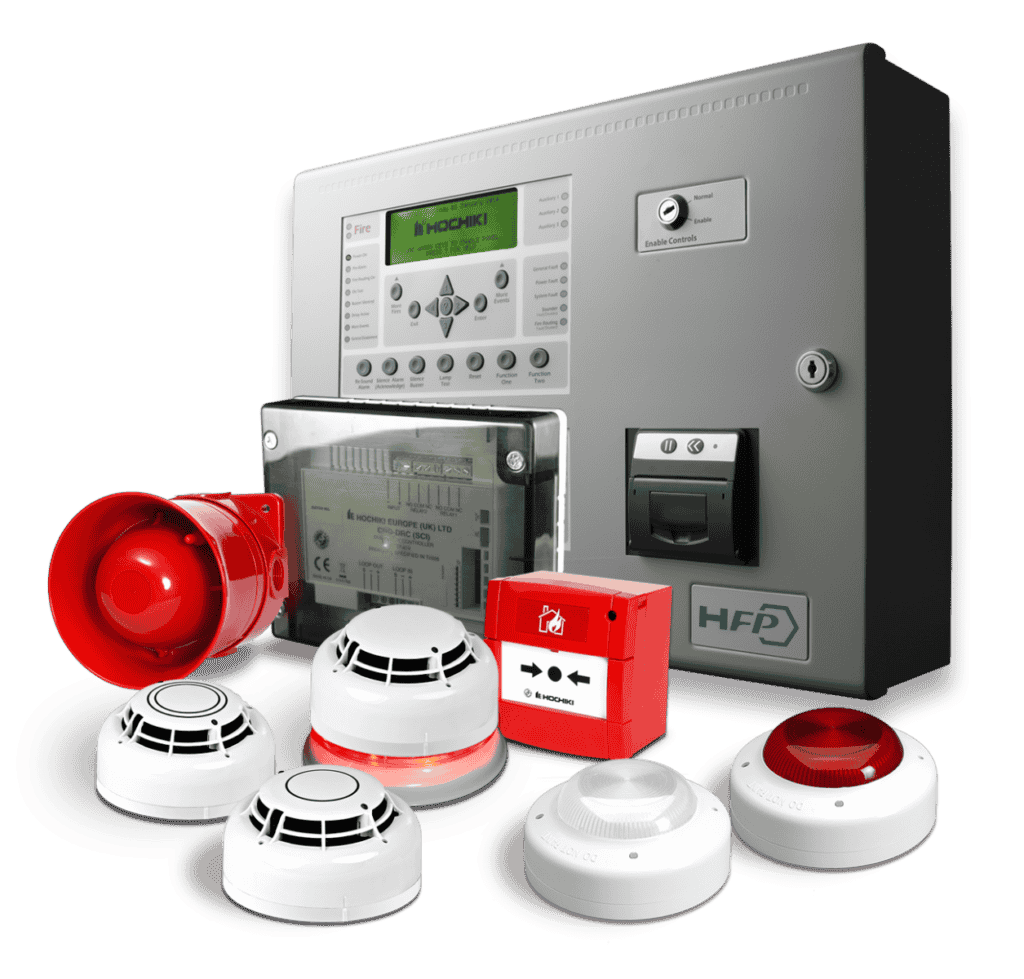
All necessary fire safety precautions must be installed and maintained in effective working order. This includes fire-resistant doors, fire alarm and detection systems, emergency lighting, and any other required fire protection equipment.
Annual Fire Safety Servicing
Fire detection systems, escape provisions, and fire-fighting equipment must be professionally inspected and serviced at least once every year by a suitably qualified and registered person. A current inspection or servicing report must be supplied to the Council within 14 days when requested.
Emergency Exit and Door Access
The property’s main entrance and exit doors, along with doors serving individual accommodation units, must be capable of being opened from the inside without the use of a key. This ensures occupants can leave the property quickly during an emergency.
Fire Emergency Procedures
All occupants must be clearly informed of the procedures to follow in the event of a fire. A simple, clearly written fire action or fire routine notice should be prominently displayed in an appropriate communal area of the property.
Kitchen Fire Blankets
Each kitchen must be equipped with a suitable fire blanket that complies with the current applicable British safety standards. Fire blankets should be correctly positioned and readily accessible in an emergency.
Clear Fire Escape Routes
All designated escape routes, corridors, stairways, and exits must remain clear and free from obstructions at all times to allow occupants to evacuate the property safely.
Fire Safety Guidance
Further information regarding suitable fire precautions and safety standards for HMOs should be considered in accordance with relevant LACoRS fire safety guidance.
Electrical Installation Inspection
A valid Domestic Electrical Installation Periodic Report issued within the previous five years must be provided to the Council within 28 days when requested. Any urgent electrical safety issues or recommendations identified by the Council should be addressed within 28 days of the report.
Kitchen Cooking Facilities
Each kitchen must be equipped with suitable cooking facilities. Gas or electric cookers should include, as a minimum, an oven, grill, and four cooking burners or rings. Cookers must have sufficient surrounding space for safe use and should not be positioned directly beside doorways or other access points.
Refrigeration Provision
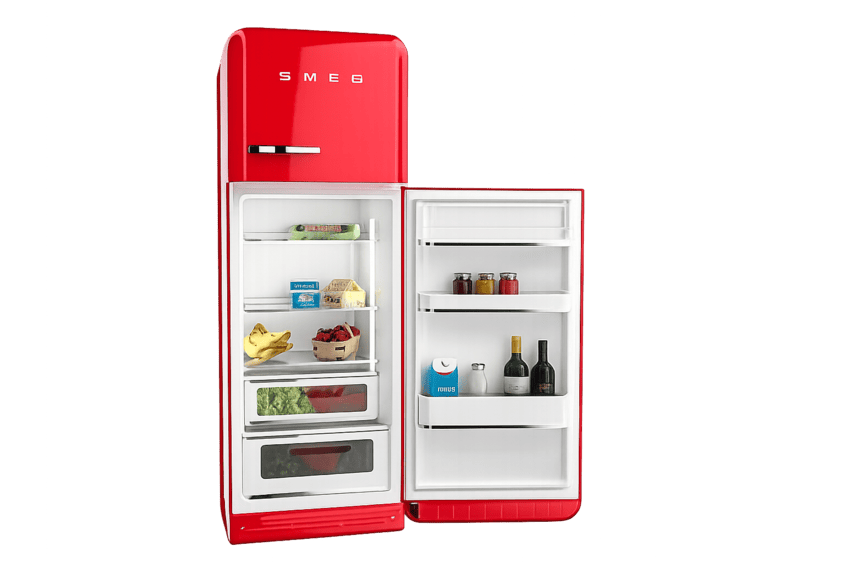
Suitable refrigerated food storage must be available for each occupancy. A refrigerator with a minimum capacity of 0.15 cubic metres should be provided to ensure occupants have adequate space for storing perishable food safely.